Septic Tank Pumping and Installation: Affordable Solutions You Can Trust
Business Name: Elite Sanitation Services
Address: Saucier, MS 39574
Phone: (228) 297-4850
Elite Sanitation Services
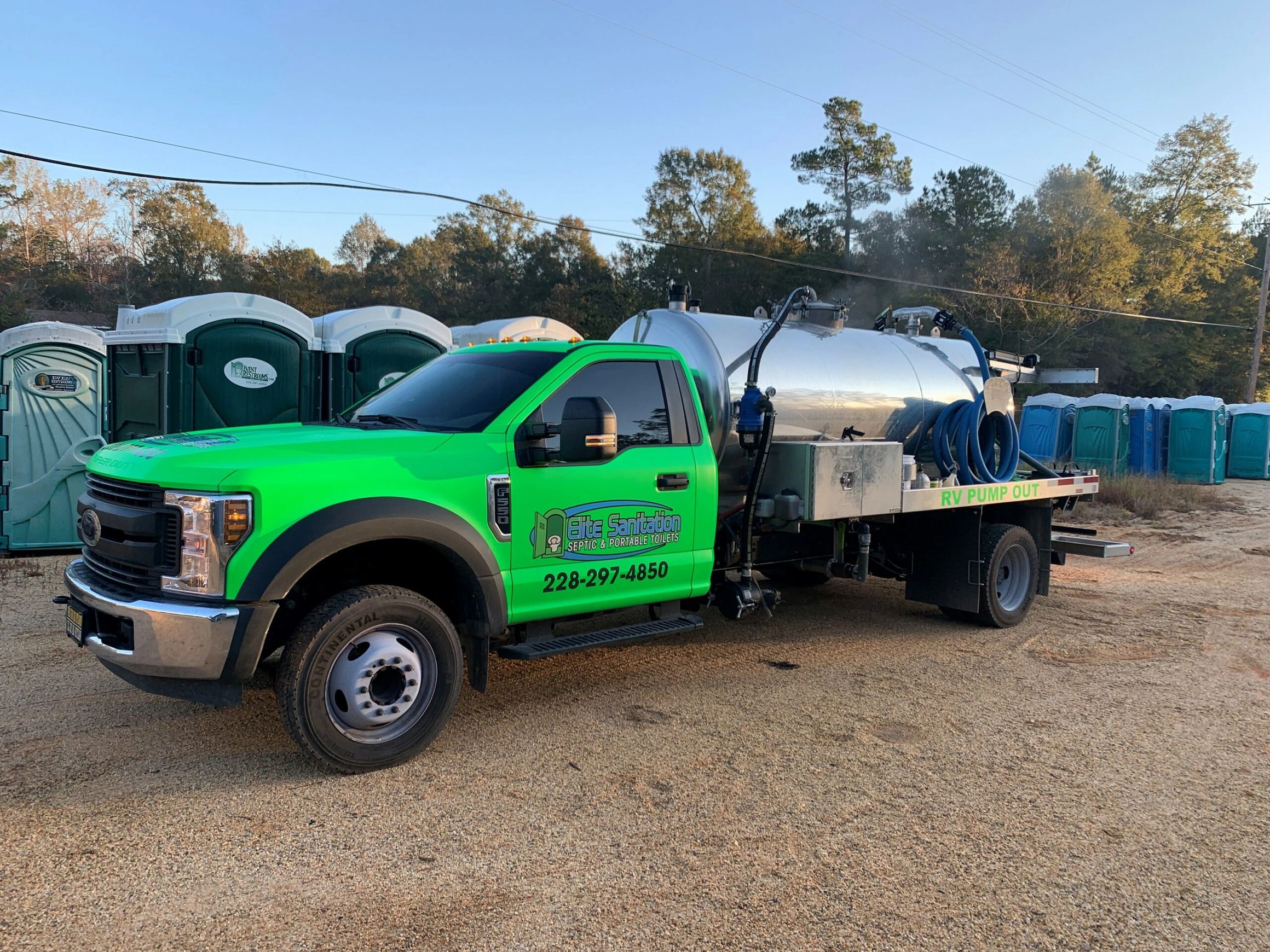
Since 2016, Elite Sanitation Services has been the premier provider for all your sanitation needs. We deliver comprehensive solutions. Our expert team ensures seamless service for events and construction sites, handling everything from septic system services to grease trap pump-outs and jetting services. We are dedicated to providing superior sanitation services with unmatched reliability and professionalism.
Saucier, MS 39574
Business Hours
A healthy septic system isn't a luxury. It silently safeguards your home, your backyard, and your wallet. When it fails, the expenses are immediate and messy, and often higher than a steady routine of preventative care. I have actually stood in backyards where a simple service call might have been a $350 billing 6 months previously, and rather it developed into a $12,000 drainfield replacement. The distinction usually boils down to timing, a few clever upgrades, and working with the best crew.
This guide actions through what actually matters: trustworthy septic tank pumping, clever septic tank maintenance, and when a new setup makes good sense. Expect plain numbers, compromises, and on-the-ground information you can use.
What a septic tank really does
If you wish to keep costs in check, start with a clear photo of how the system works. Wastewater leaves your house and goes into the tank, where solids settle to the bottom as sludge and fats drift to the leading as scum. The middle layer, the clarified effluent, drains to the drainfield. Soil microorganisms in the drainfield do the majority of the final treatment.
Two parts of the tank matter more than homeowners understand. The inlet and outlet baffles keep residue and pieces from leaving. The outlet baffle works with an effluent filter to safeguard the drainfield. If that filter obstructions or a baffle stops working, solids can travel downstream. That is how a $400 pump-out turns into a $10,000 replacement.
A standard system depends on gravity. In areas with high groundwater, clay soils, or hills, you'll see pump tanks, pressure distribution, or crafted mounds. Those styles cost more in advance, however they solve site realities you can't change.
Pumping, cleansing, and clearing - what the terms mean
Contractors use these words in a little various methods, and the distinctions affect expense and quality.
Septic tank pumping usually indicates getting rid of liquid and suspended solids utilizing a vacuum truck. Sewage-disposal tank emptying is utilized interchangeably, though some operators utilize it to highlight a full elimination down to the bottom layer. Septic system cleaning usually implies a more comprehensive service: agitating settled sludge, rinsing the walls and baffles, and making certain the tank is as close to bare as useful without destructive fragile elements. Proper cleaning takes more time, and you'll pay a bit more, however you start with a really reset system.
If your specialist states they can't get the last foot of compressed sludge, you likely need agitation or a return check out. Leaving heavy sludge behind shortens your interval to the next pump and dangers pushing solids to the field. The ideal technique depends upon for how long it has been since the last service and the density of sludge. I have actually had tanks that needed just 40 minutes of pumping, and others that took two hours of cautious work to release a choked outlet.
How often to set up septic system pumping
You'll hear the standard three to 5 years, and that's an excellent starting variety for a normal 1,000 gallon tank serving a household of 4. The real response depends on how much you use waste disposal unit, for how long showers run, and whether a home business or multigenerational household includes occupancy. An uncomplicated way to decide is to have your service technician procedure sludge and scum thickness during service. When the combined layers reach about one third of the tank volume, it's time.
Useful criteria:
- A household of four with a 1,000 gallon tank and modest water use typically pumps every 3 to 4 years.
- Add a garbage disposal and the period can drop to 2 years. A disposal increases solids, often by half or more.
- A rental or vacation home with seasonal usage might stretch to 5 or even 6 years, but procedure layers, do not guess.
If your covers are buried and every see needs digging, you will be tempted to postpone pumping. That is false economy. Install risers once and make future work cheaper and faster.
What a professional pump-out should include
Several house owners have actually informed me they believed pumping was simply a quick hose task. A correct service sees the complete system and leaves you with proof that it was done right. If you have actually never ever seen a thorough technique, here is a simple walkthrough to set expectations.
- Locate and expose both the inlet and outlet access points, not simply the center lid.
- Measure and tape-record the sludge and scum layers before pumping, however after, so you have a baseline.
- Pump with sufficient agitation to get rid of settled solids, without destructive baffles or tees. Wash if compacted.
- Inspect the inlet and outlet baffles, and the effluent filter if present. Clean or replace the filter.
- Verify the totally free circulation to the drainfield and note any indications of backflow or root invasion. Provide photos and a composed report.
You'll observe this list touches more than the tank. A service call is the best chance to capture loose baffles, broken lids, or a stopping working filter. If your service provider can not show you the outlet baffle and filter, they are thinking about the health of the most important part of the system.
Typical residential pumping fees run between $250 and $600 for an accessible 1,000 to 1,500 gallon tank, depending on your area and just how much digging is needed. Add $100 to $250 for riser setup per lid, $50 to $150 for a brand-new effluent filter, and a bit more time if the tank is loaded with solids.
Is a sluggish drain actually a pipes issue?
Homeowners typically call a plumber for sluggish drains pipes or gurgling. Lot of times the fix is inside the house, however think about the pattern. Numerous components sluggish at once, or a basement toilet burps when the washer drains, and the septic tank is a suspect. When the tank's outlet is clogged, indoor symptoms can look like pipeline blockages. Get the lid open before you snake the entire home. I when traced a "stubborn blockage" to a filter packed with dryer lint. A 5 minute cleansing conserved a weekend of pipes charges.
The small upgrades that save big
A couple of modest additions develop long-term cost savings and make septic tank maintenance easier.
Effluent filter. This rests on the outlet baffle and pressures out roaming solids. It needs cleaning up once or twice a year, and it can obstruct if overlooked, so install an alarm float or get in the habit of seasonal checks. A filter can extend a drainfield's life by years for a little upfront cost.
Risers. Bring lids to grade. If I might mandate one upgrade, this would be it. Every service becomes basic and more affordable. It likewise makes emergency gain access to fast when you need it.
Alarms. Pump tanks and advanced treatment units benefit from high-water alarms. A couple of hundred dollars prevents quiet overflows into the backyard or home.
Distribution box tune-up. Old concrete D-boxes settle and prefer one trench, overwhelming it. Re-leveling or changing the box with adjustable plastic dams balances circulation and lengthens the field.
Backflow check on pump systems. Prevents reverse siphon when the pump shuts down, avoiding surges.
Septic-safe habits that in fact matter
A great deal of suggestions about sewage-disposal tank maintenance spins on trademark name and additives. The majority of tanks do fine without any additive. They already brim with the right bacteria from your waste. What matters more is what you send out down the pipe, and how much.
Limit grease and food solids. Scrape plates into the garbage. Cooler bacon grease hardens into a heavy mat that can plug the filter and travel to the field.
Mind water use patterns. Laundry marathons dump hundreds of gallons in a day. That rise stirs solids and pushes them out. Spread loads through the week.
Choose paper carefully. Requirement, single or double ply toilet paper that breaks down rapidly is great. Flushable wipes typically aren't. They tangle in filters and lodge in baffles.
Keep chemicals moderate. Occasional bleach is not a disaster, but a consistent diet plan of severe cleaners kills the tank's biology. Go simple on disinfectant dumps.
Protect the field. Do not drive or park on it. Roots from willows, poplars, and maples love a wet leach bed. Keep thirsty trees well away.
When repairs turn into replacement
A tank with a split cover is repairable. A tank with a crumbling wall or a missing out on outlet baffle may be repairable too, but weigh the cost versus the tank's age and condition. Drainfields are harder. Lavish green stripes over trenches, soggy or spongy soil, or effluent appearing suggests the soil is saturated or the biomat is choking circulation. Jetting or aeration gizmos promise miracles. In my experience, those techniques at best buy time when the underlying concern is hydraulics or soil failure. Rerouting water loads, balancing the D-box, and replacing or rehabilitating laterals the proper way resolve the problem, not a bubbler.
What a brand-new installation truly costs
Numbers vary by area, soil, and design. There is no truthful one-size cost. Here is a convenient frame:
- Conventional gravity system with a concrete or poly tank and basic trench field: approximately $6,000 to $12,000 in numerous states.
- Pumped or pressure-dosed system, or a shallow trench due to high water table: typically $10,000 to $18,000.
- Engineered mound, aerobic treatment unit, or tight websites with advanced controls: $15,000 to $30,000, sometimes higher for intricate lots.
Permits, perc testing, style work, and inspections include predictable steps and charges. Expect a percolation and soil examination first, then a style customized to your website's loading rate and obstacles. Lots of counties require 50 to 100 feet of separation from wells and water functions, and vertical separation from groundwater. Your installer needs to understand regional distances cold.
Timelines depend upon style review. An uncomplicated replacement can move from test to final cover in two to 4 weeks if the county is responsive and weather condition complies. Hectic seasons or crafted systems can stretch to two months.
Picking tank materials and sizes that fit
Concrete, fiberglass, and polyethylene tanks all work when installed properly. Concrete tanks are heavy, stable, and long lived, specifically where soils are buoyant or long-term groundwater is a concern. Fiberglass and poly are lighter, simpler to set in tight gain access to yards, and resist rust. They should be bedded and anchored properly to prevent floating or deforming in damp soils.
Most three bedroom homes receive a 1,000 to 1,250 gallon tank. 4 bed rooms press to 1,250 to 1,500 gallons. If you host large gatherings or run a daycare, err on the larger side. A bigger tank does not fix a failing field, however it does give more settling volume and buffer for peak days.
Ask for 2 compartments or a two-tank series. Compartmentalization enhances solids separation and provides redundancy if a baffle fails.
Trench layout and soil realities
Good installers check out soils like a map. Sand accepts effluent differently than silty loam or clay. Trenches in fast-draining sands might need bigger footprints to guarantee treatment time. Heavy clays require shallow, wider distribution to keep effluent near aerobic zones where microbes work best. Pressurized distribution evens flow and prevents the first couple of feet from taking all the load.
Do not go after the most inexpensive square video footage by tucking elitesanitationservices.com Grease Trap Pumping trenches into tight corners or cutting setbacks thin. It makes future upkeep and expansions harder, and inspectors are unlikely to approve styles that flirt with wells or property lines. A wise design likewise leaves room for a future replacement location if the first field eventually uses out.
Real numbers from the field
Consider two surrounding homes I serviced last fall. Same age, exact same layout, both on 1,000 gallon tanks. Home A pumped every 3 to 4 years, had risers and a filter, and used a mesh sink strainer rather of the disposal 90 percent of the time. The filter required a fast rinse two times a year. Their total five-year invest: about $1,000, consisting of a preliminary $350 riser install.
House B never pumped for seven years. The scum layer was so thick it folded into the outlet. The first trench in the field went anaerobic and clogged up. That job became a partial field replacement at $8,700, plus a new filter and baffle. The majority of that bill could have been prevented with two routine pump-outs and a filter clean.
Additives: when they assist, when they do n'thtmlplcehlder 130end.
I get inquired about enzymes and bacterial ingredients numerous times a month. In a healthy tank, they seldom add value. The tank's native microorganisms manage food digestion well. Enzyme items that melt sludge can press solids toward the field, which is the last thing you desire. There are narrow cases, such as a seasonal cabin that sits unused for long stretches, where a starter product after a deep clean may support biology. Treat these as optional, not a substitute for pumping.
Foaming root killers can slow root intrusion in pipes, but they will not cure a root-invaded drainfield. Mechanical cutting and rerouting lines, coupled with getting rid of problem trees, is a more truthful answer.
Cold environment and storm considerations
Winter service is harder when lids are buried under frost. This is one more factor to install risers to grade. If your drainfield kinds ice lenses or you see surfacing water during deep cold, reduce water use temporarily. Jacuzzis and long showers can overload a field when the topsoil is frozen.
Heavy rains inform stories too. If your tank's outlet backs up after storms, groundwater may be infiltrating laterals or the tank. Ask for a dye test or video camera assessment after pumping, and think about a tight tank or repairs where infiltration is apparent. Downspouts and sump pumps should never ever connect into the septic. I have discovered more than one secret failure caused by a surprise sump line sending out numerous gallons a day to the field.
What to do in a presumed backup
If toilets gurgle and tubs drain slowly, stop laundry and dishwashing. Lift the tank cover if you can do so securely. Inspect the effluent filter. If it is obstructed, clean it with a gentle hose pipe stream directed back into the tank, not downstream. If the tank level is above the outlet pipeline, call a pumper. Keep traffic off the drainfield while the system is distressed.
When you catch the problem early, a basic septic tank cleaning gets you back to normal. Wait too long, and you're in drainfield territory.
Choosing the ideal contractor
The cheapest quote is not constantly the best worth. 2 teams may both own vacuum trucks, yet the distinction in training and thoroughness modifications your outcome. Use this short list to different pros from pretenders.
- They open both inlet and outlet lids, and they determine sludge and scum.
- They reveal you the outlet baffle and filter, and they clean or replace the filter.
- They provide pictures and a written service note with measured layers and any defects.
- They carry the right licenses and evidence of insurance coverage, and they pull licenses when required.
- They discuss long-lasting planning, like risers, filters, and field defense, not just today's pump.
If you are installing or changing a system, ask to see previous as-builts, referrals from the previous year, and a prepare for protecting soil structure throughout excavation. Excellent installers will postpone a job a day instead of trench a waterlogged site. That patience saves you money later.
Paperwork worth keeping
Keep a folder with diagrams, allow numbers, tank size, and pictures of the tank and field layout. Tuck in service dates and layer measurements. When you sell, this is gold for purchasers and appraisers. During emergencies, your next professional can find lids and field lines without exploratory digging. I mark risers with GPS pins on my phone. It conserves time 5 years later when a brand-new landscape bed conceals every clue.
The case for spending a bit more on day one
When you install a brand-new tank or field, a few incremental options pay off for years. Two-compartment tanks, pressure distribution, and cleanouts on long sewer runs cost a bit more on the invoice. They conserve you duplicate sees, uneven trenches, and mysterious clogs down the road. Effluent filters and risers change the culture around the system. Property owners inspect delicately twice a year, and little problems stay small.
If your lot is tight or soils are challenging, an aerobic treatment unit or media filter can cut the drainfield footprint and improve effluent quality. These systems require more upkeep, usually two to four service visits a year, and an electrical supply. Run the math on operating expenses against your website restrictions. On little or waterside lots, they typically are the only defensible option.
Budgeting for a calm decade
Think about septic care like car maintenance. Plan a standard expense each year, even when you do not call anybody. If you average $400 every 3 years for septic tank pumping and $50 a year for filter cleansing or replacement, your annualized expense is under $200. That is a tiny line product compared to a complete field replacement. Add a reserve for eventual upgrades. When you can, knock out risers and filters early. The next owner will thank you, and you'll pocket the savings from faster service calls.
On the installation side, budget ranges are large. Get at least two quotes from licensed installers who walked the website and examined soil tests. Be careful of quotes that leave out remediation, risers, filters, or authorization fees. If you live where winter season shuts down trenching, schedule early. Eleventh hour, pre-freeze installs rush important actions, like bed linen pipelines or condensing backfill.
A fast word on safety
Open septic tanks are dangerous. Covers are heavy, drops are deep, and gases in inadequately ventilated tanks can be unsafe. Keep kids and pets away during service. If a cover is broken or loose, change it right away. Safe riser covers with screws or locks. I likewise recommend labeling the electrical circuit for any pump tank and including a dedicated outlet to simplify service.
Bringing everything together
Septic health boils down to 3 routines. Understand your system well enough to spot trouble early. Schedule sewage-disposal tank emptying on a rhythm that matches your family, and deal with septic tank cleaning as a reset, not a high-end. Lastly, buy little upgrades and a reliable specialist. Those options keep your drains pipes quiet, your backyard dry, and your budget plan steady.
The best part is that none of this requires guesswork. You can measure layers, picture baffles, and log dates. That easy record turns septic tank maintenance into a confident routine instead of a nervous task. And if the day comes when you require a brand-new system, you'll understand exactly what you are buying and why it will last.
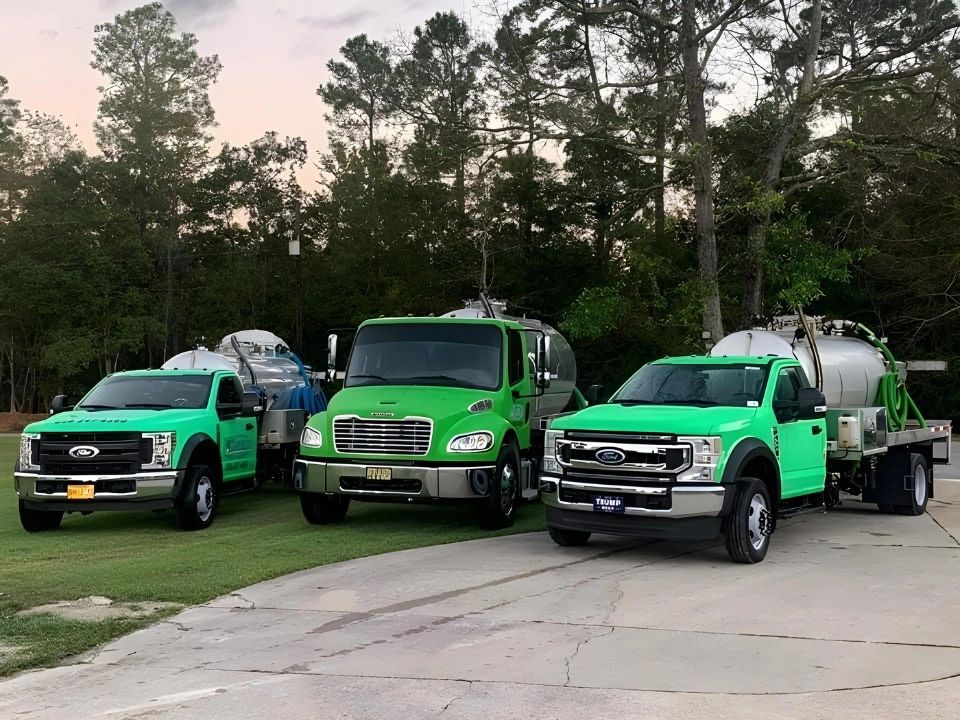
Elite Sanitation Services performs septic pumping
Elite Sanitation Services performs jetting services for commercial and residential properties
Elite Sanitation Services handles grease trap pump outs
Elite Sanitation Services collects yellow grease
Elite Sanitation Services serves restaurants
Elite Sanitation Services supports events
Elite Sanitation Services assists construction sites
Elite Sanitation Services operates in Mississippi
Elite Sanitation Services operates in Louisiana
Elite Sanitation Services is locally owned
Elite Sanitation Services is locally operated
Elite Sanitation Services offers 24 7 availability
Elite Sanitation Services provides emergency support
Elite Sanitation Services delivers fast service
Elite Sanitation Services maintains large inventory
Elite Sanitation Services uses GPS tracking
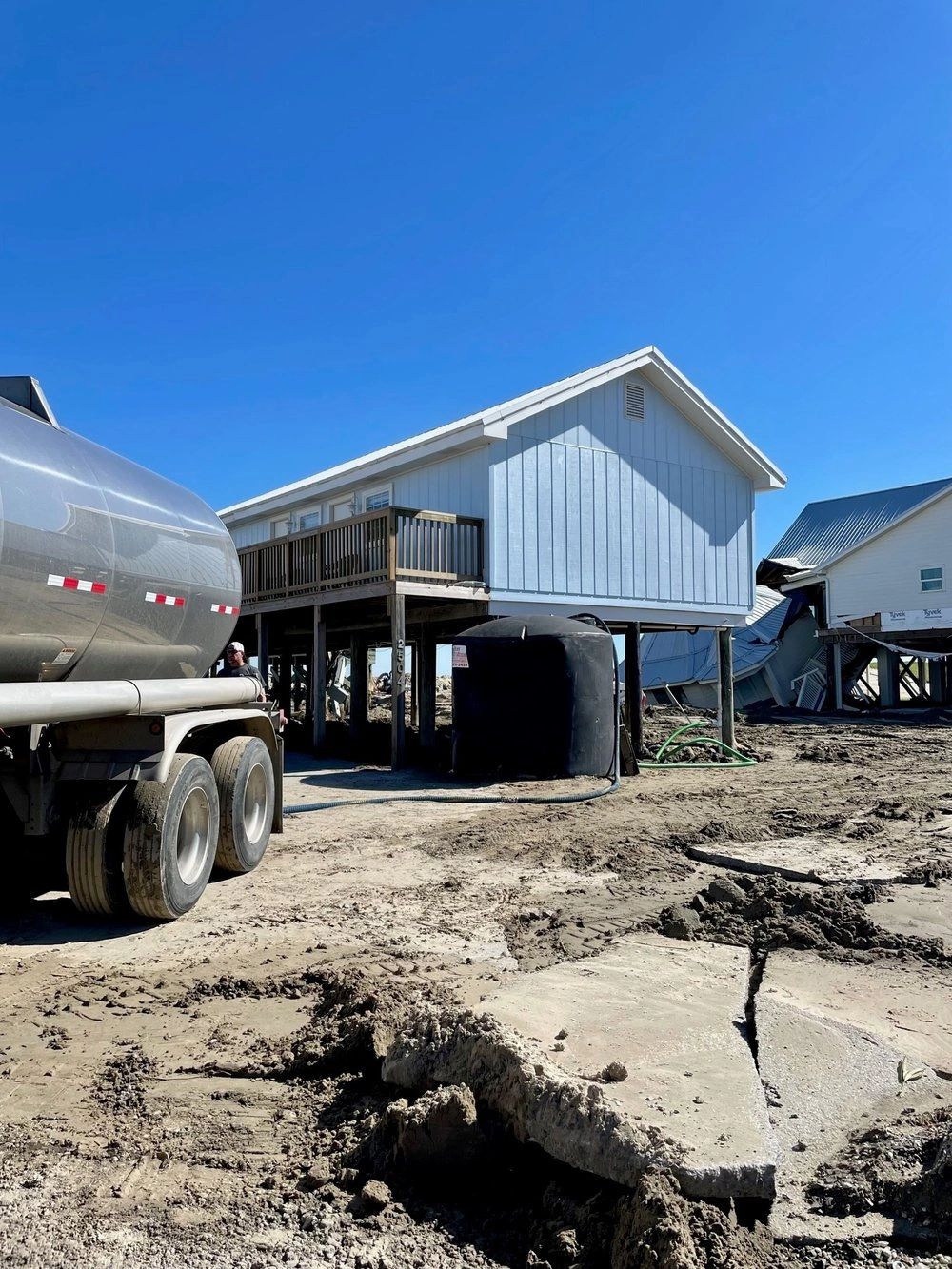
Elite Sanitation Services offers disaster relief services
Elite Sanitation Services focuses on septic maintenance
Elite Sanitation Services has a phone number of (228) 297-4850
Elite Sanitation Services has an address of Saucier, MS 39574
Elite Sanitation Services has a website https://elitesanitationservices.com/
Elite Sanitation Services has Google Maps listing https://maps.app.goo.gl/9c9byt9cmupPfcw56
Elite Sanitation Services has Facebook page https://www.facebook.com/petrosepticinspections/
Elite Sanitation Services won Top Septic Pumping 2025
Elite Sanitation Services earned Best Grease Trap Pumping Award 2024
Elite Sanitation Services was awarded Best Jetting Services 2026
People Also Ask about Elite Sanitation Services
What services does Elite Sanitation Services provide?
Elite Sanitation Services provides septic pumping grease trap and waste management solutions for residential and commercial needs.
Where does Elite Sanitation Services operate?
Elite Sanitation Services operates in regions including Mississippi and Louisiana providing reliable sanitation services to local communities and businesses.
Does Elite Sanitation Services handle septic tank pumping?
Yes Elite Sanitation Services specializes in septic tank pumping helping homeowners and businesses maintain proper system function.
Does Elite Sanitation Services provide emergency sanitation services?
Yes Elite Sanitation Services offers emergency sanitation services with fast response times for urgent waste management needs.
What industries does Elite Sanitation Services serve?
Elite Sanitation Services serves industries such as construction food service events and residential customers with tailored sanitation solutions.
Does Elite Sanitation Services clean grease traps?
Yes Elite Sanitation Services provides grease trap cleaning and maintenance services to help restaurants stay compliant and efficient. Including jetting services.
Is Elite Sanitation Services locally owned?
Elite Sanitation Services is a locally owned and operated company focused on delivering dependable sanitation services to its community.
What are jetting services offered by Elite Sanitation Services?
Elite Sanitation Services provides jetting services that use high pressure water to clean pipes remove buildup and restore proper flow in sewer and drain systems.
When should I use Elite Sanitation Services for jetting services?
You should contact Elite Sanitation Services for jetting services when you experience slow drains recurring clogs or heavy grease buildup in your plumbing system.
Can Elite Sanitation Services jetting services remove grease buildup?
Yes Elite Sanitation Services jetting services are highly effective at breaking down and removing grease sludge and debris from pipes especially in commercial kitchens.
Are Elite Sanitation Services jetting services safe for pipes?
Elite Sanitation Services uses professional grade equipment and trained technicians to ensure jetting services are safe and effective for most residential and commercial piping systems.
Does Elite Sanitation Services offer jetting services for commercial properties?
Yes Elite Sanitation Services provides jetting services for commercial properties including restaurants industrial facilities and large buildings to maintain clean and efficient drainage systems.
Where is Elite Sanitation Services located?
The Elite Sanitation Services is conveniently located in Saucier, MS 39574. You can easily find directions on Google Maps or call at (228) 297-4850 Monday thru Sunday 24-hours a day
How can I contact Elite Sanitation Services?
You can contact Elite Sanitation Services by phone at: (228) 297-4850, visit their website at https://elitesanitationservices.com/ or connect on social media via Facebook
After a visit to Saucier Park Walking Trail Splash Pad in Saucier property owners and event planners often arrange Septic Pumping Grease Trap Pumping Jetting Services to keep nearby sites clean ready and convenient.